






Mastering the Coliving Blueprint: Strategies for Asset Lifecycle Optimisation
The Coliving Conference 2024 featured a thought-provoking panel discussion on comprehensive strategies for optimising the lifecycle of coliving assets, moderated by Aitana de Jong. Panelists included Katherine Rose, Ali Ravanshad, George Ahye, and Tim Chapman-Cavanagh. The session focused on key strategies for optimising the lifecycle of coliving assets, from initial design to long-term management.
For years, the coliving sector was fuelled by rendering and rhetoric, promising a revolution in how urban populations live. However, as the industry matures from a novelty into an established asset class, the conversation has shifted from theoretical ideals to the hard-won data of operational reality. The central tension facing investors and developers today is no longer just about how to fill a building, but how to ensure that building remains viable, profitable, and desirable a decade from now. This maturity was palpable at the Coliving Conference 2024 in Amsterdam, The Netherlands, where the focus moved decisively toward mastering the asset lifecycle. The consensus is clear: a successful blueprint is not static. It is a feedback loop between the architect’s pen and the community manager’s daily lived experience.
Beyond the Bedroom: Optimising the Asset Lifecycle in the New Era of Shared Living
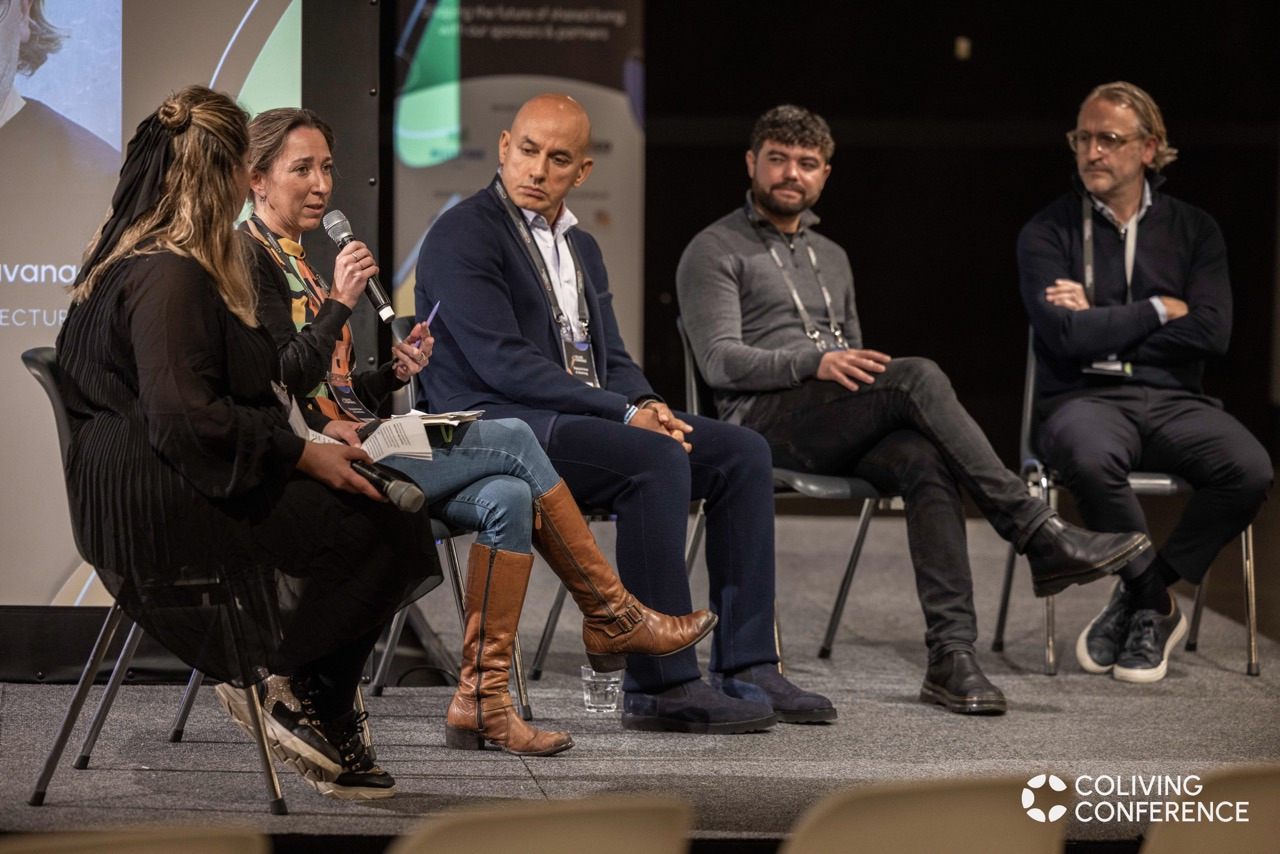
The way residents interact with space is rarely what architects initially intend. The assumption that communal spaces have singular, fixed functions is rapidly becoming obsolete. Tim Chapman-Cavanagh, Director at Assael Architecture, notes that the industry is learning in real time from the first generation of operational assets. He observes that spaces designated for leisure, such as cinema rooms, are frequently taken over by residents seeking quiet workspaces away from the buzz of the primary coworking areas. This behaviour signals a demand for flexibility that rigid floor plans often fail to accommodate.
Blueprints must be adaptable. Chapman-Cavanagh highlights how amenities at developments like Sunday Mills have had to evolve post-occupancy, with pool tables being swapped for ping pong tables and laundry rooms becoming unexpected social hubs. This fluidity challenges the traditional development model where a building is “finished” at practical completion. Instead, successful coliving assets require a design philosophy that anticipates change. The integration of the building into the wider neighbourhood is equally important. Rather than isolating residents from their surroundings, the most resilient assets are those that open their ground floors - restaurants and coworking spaces - to the local public, turning the building into an asset for the neighbourhood rather than a gated community.
Flexible design is the necessary unseen infrastructure that keeps a building functioning. Katherine Rose, Managing Director at VervLife, argues that operational success is often determined by the “boring logistics” that rarely make it into marketing brochures. She points out that the average resident now receives over 70 parcels a year. If a developer fails to account for this volume during the design phase, the operator is eventually forced to hire staff solely to manage logistics, directly eroding the net operating income. Therefore, the design phase cannot focus entirely on aesthetics, but must also function as a rigorous operational simulation that solves problems before construction begins.
Can We Engineer Emotional Durability?
While logistics protect the bottom line, it is the emotional resonance of a space that protects the top line by driving retention and occupancy. There is a growing recognition that coliving must transcend the provision of just a room, and offer a sensory experience that feels like a home rather than a hotel. Ali Ravanshad, Founder & CEO at Dandi in London, United Kingdom, champions an approach that treats the residential experience as a form of theatre. He describes how sensory details, such as the scent of sandalwood and the sound of water features, are deployed to trigger an immediate emotional response when a resident walks through the door. This does not simply function as part of the decor, but as a strategic attempt to alleviate the inherent anxiety of entering a new environment.
Ravanshad’s approach challenges the industry to rethink the demographics of coliving. While often framed as a product for transient twenty-somethings, his portfolio sees a diverse intake, including residents in their 70s and a significant demographic of international residents who may feel isolated in a city like London. To combat this, the physical environment must work harder. Dandi employs patented furniture systems where beds retract into the ceiling to reveal dining tables, effectively doubling the usable floor space of a studio. This engineering allows a compact 24 m2 unit to function with the utility of a much larger apartment.
However, creating high-functioning, emotionally resonant spaces requires a fearless approach to upfront investment. Ravanshad notes that his company manufactures its own furniture, applying heavy-duty laminates and testing mechanisms for over 10.000 cycles to ensure a lifespan of roughly 13 to 14 years. This front-loading of capital expenditure is a defensive strategy against the operational expenditure that plagues cheaper fit-outs. It is a calculated trade-off - spend more on the asset’s creation to spend less on its repair, ensuring the “theatre” of the experience does not degrade into a backdrop of wear and tear. George Ahye, Head of Co-Living at urbanbubble, which manages 20.000 homes, agrees that the physical product must be robust, noting that their average room size is even tighter at 18 m2. In such compact living, the durability of materials is paramount. There is nowhere to hide wear and tear in a small room, and the operational headache of replacing cheap laminates every three years is a cost that savvy operators are keen to design out from day one.
The Operational Reality of Community
If the hardware of coliving is the building, the software is undoubtedly the community management, and the two must communicate seamlessly. Ahye suggests that 80% of an exceptional resident experience is simply getting the basics right - consistent service, working utilities, and clean spaces. The remaining 20% is the “magic of community and connection”. However, that magic can be easily destroyed by aggressive commercialisation.
A recurring theme among experienced operators is the danger of charging residents for trivial things. The temptation to upsell every amenity - from high-speed Wi-Fi to coffee - is viewed by Ravanshad as counterproductive to the feeling of home. He advocates for an all-inclusive model where herbs from the garden, tea, and coffee are complimentary, and where residents can host friends in the bar without a transaction taking place. This generosity fosters a sense of ownership among residents, which in turn leads to longer tenancies and better care of the physical asset.
Ahye reinforces this by highlighting the role of data in sustainability and behaviour change. Rather than simply charging residents for excess energy use, modern operators are implementing smart metering to give residents visibility over their consumption. The goal is to incentivise sustainable behaviour through transparency rather than punishment. This aligns with a broader operational shift where residents are treated as partners in the building’s lifecycle. For example, urbanbubble employs resident ambassadors who receive rent reductions in exchange for running events, from yoga classes to sustainability workshops. This peer-to-peer model of community building is often more authentic and sustainable than top-down programming.
Navigating the Regulatory Landscape
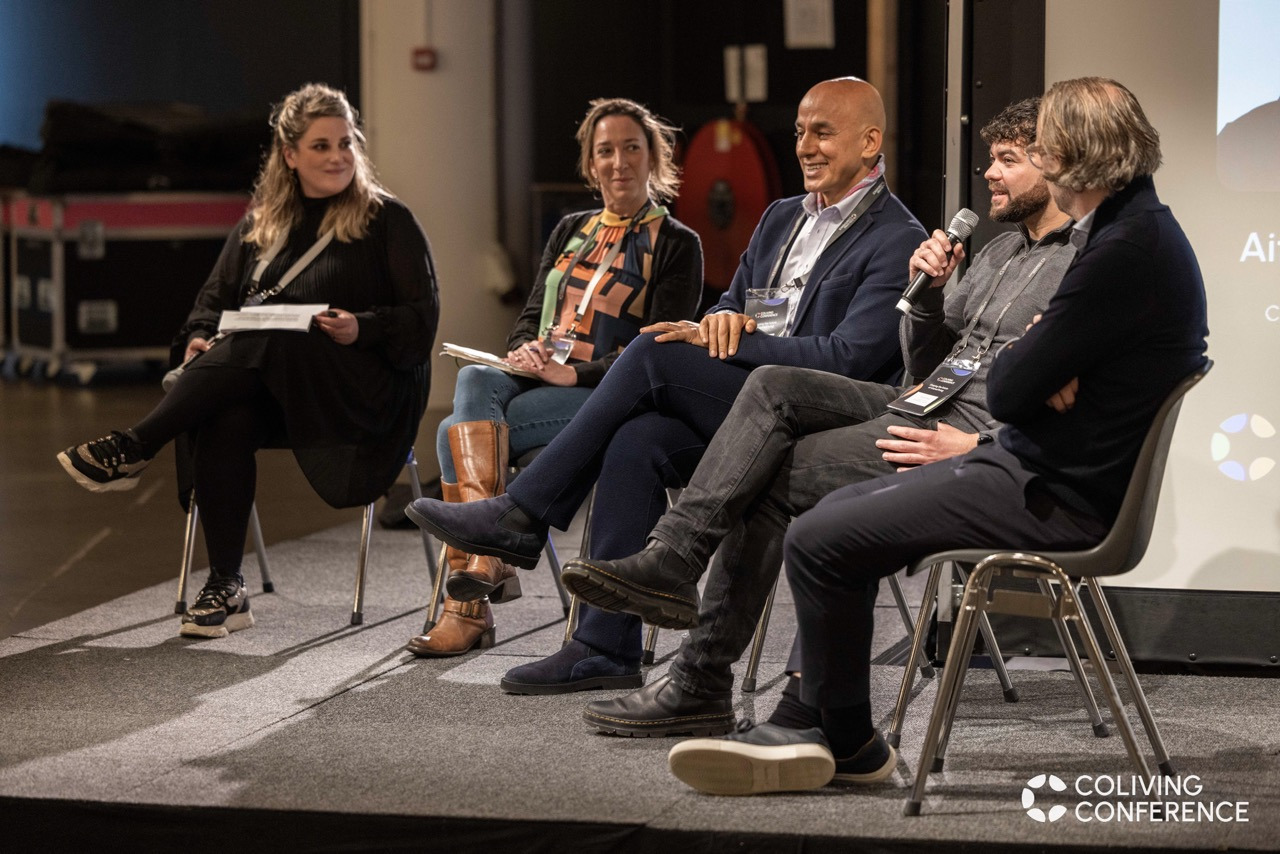
Despite the advancements in design and operations, the external environment remains a significant hurdle. The planning system, particularly in the United Kingdom, struggles to keep pace with the innovation occurring within the sector. There is a persistent need to educate local authorities who often view coliving through the outdated lens of Houses in Multiple Occupation (HMOs). However, Chapman-Cavanagh notes that the conversation is improving - mainly because there are now operational examples to show planners. The ability to take a planning officer to a functioning building and show them the reality of the community is far more powerful than a digital mockup.
Innovation in construction methods is also playing a crucial role in overcoming these hurdles. Modular construction - where units are manufactured off-site and craned into position - is emerging as a vital tool for speed and quality control. Chapman-Cavanagh cites examples where modular techniques have shaved five to six months off construction schedules. This acceleration allows investors to begin generating revenue sooner, a critical factor in an era of high interest rates. However, this method requires navigating its own set of red tape regarding insurance and building regulations, though established contractors are increasingly breaking down these barriers.
The consensus is that while the product is strong, the narrative needs constant reinforcement. Planners need to understand that coliving is not a temporary fix for housing shortages but a permanent, desirable housing typology that caters to a wide range of ages and backgrounds.
The Future is Flexible
The blueprint for the future is not a static document, but a lifecycle strategy that encompasses resilient design, empathetic operations, and financial pragmatism. For operators and investors, the path forward involves absorbing several key lessons. First, flexibility must be built into the assets themselves; rooms and amenities should be designed with the capacity to change function as resident needs evolve over the years. Second, the industry must resist the urge to transactionalise every interaction - the highest returns often come from the “free” amenities that build genuine loyalty and retention. Third, the front-of-house team is the most critical asset in the building, their ability to create psychological safety is worth more than any architectural feature. Finally, sustainability can become a collaboration with residents facilitated through data transparency, not a punitive measure enforced by management. By mastering these elements, the industry can create assets that do not just survive the investment cycle but thrive throughout it.