


How Does Nomadism Shape the Demand for Modern Real Estate & Hospitality?
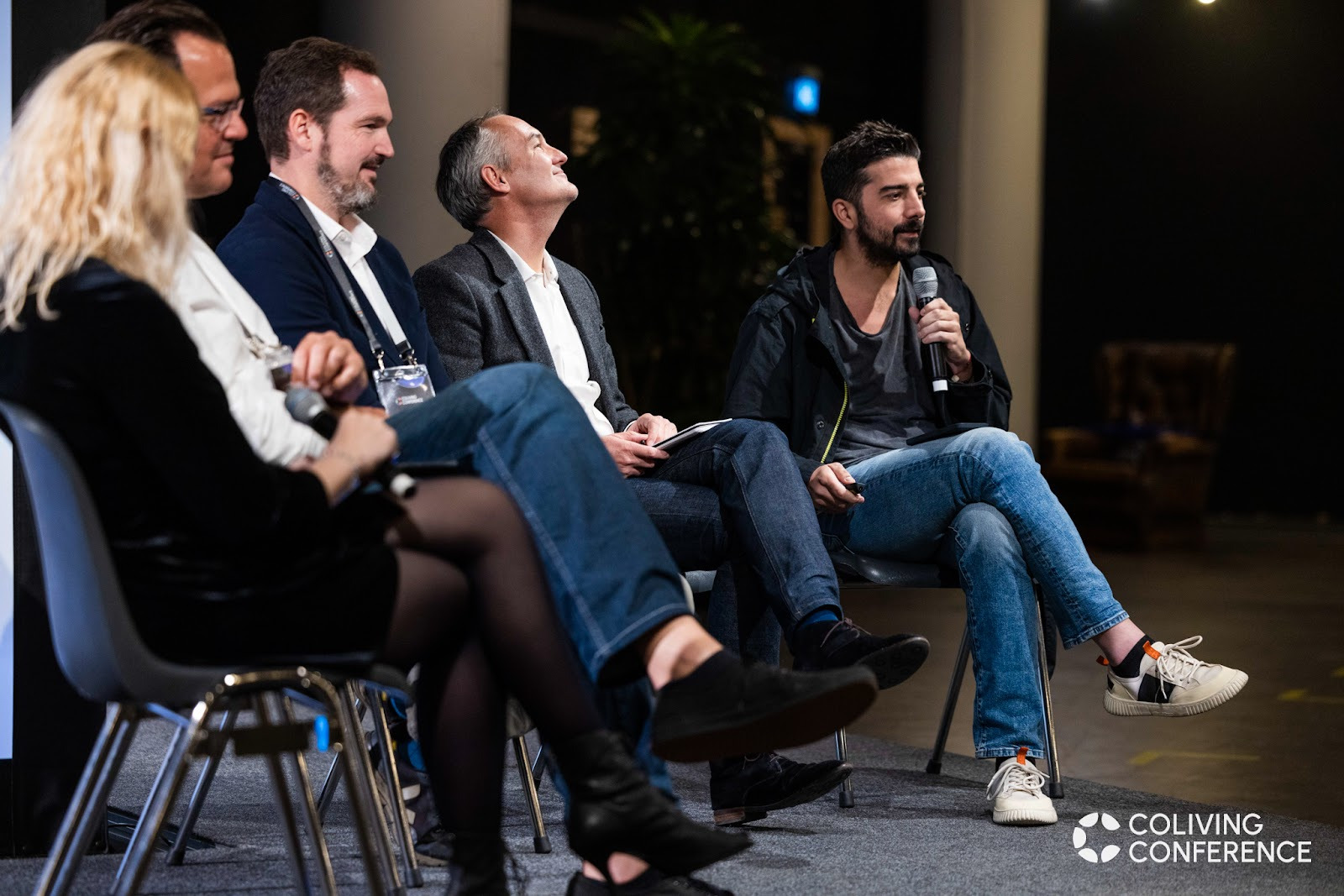
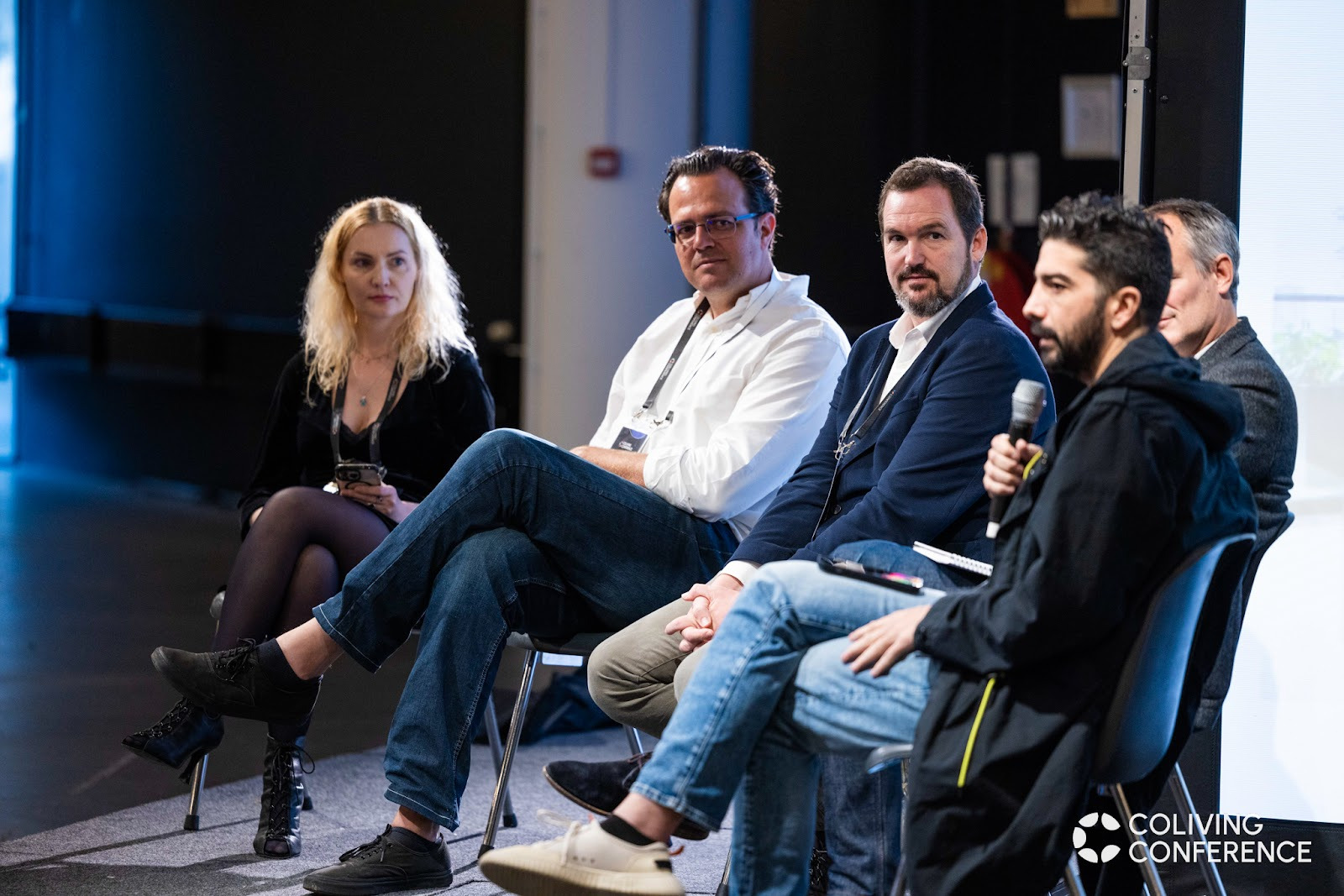
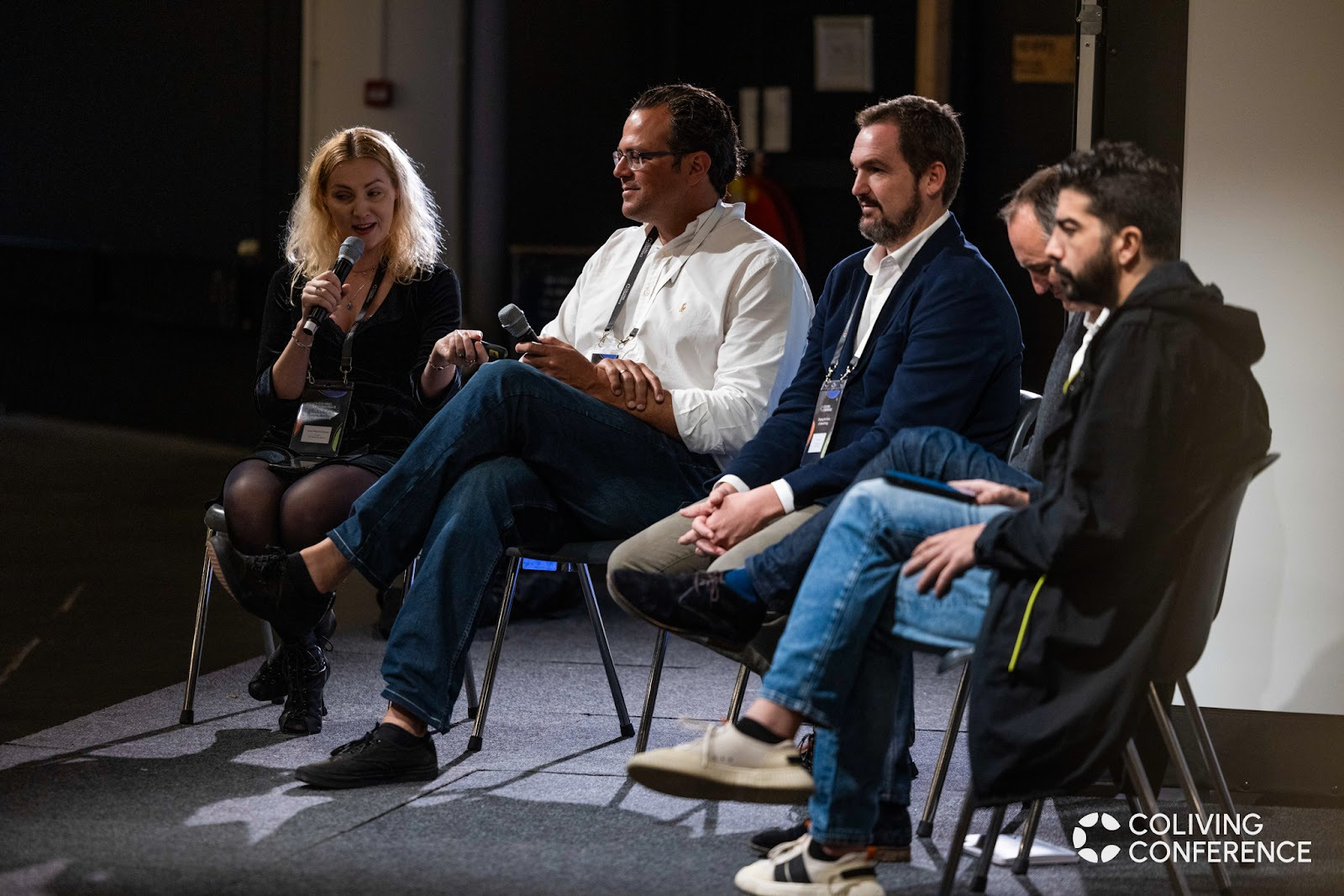
The Coliving Conference 2024 featured a thought-provoking panel discussion exploring the nuanced needs and preferences of modern nomads and how to design spaces that cater to the growing nomadic demographic moderated by Anna Maria Kochanska. Panelists included Nacho Rodriguez, Enric Solé, Frédéric Geoffrois, and Juan Aramburo. This session explored the characteristics and expectations of digital nomads and how these factors influence their choice of living and working spaces.
The image of the digital nomad as a solitary freelancer tapping away on a laptop in a beachfront hammock is rapidly becoming an artefact of the last decade. In its place, a far more significant economic demographic has emerged. This is a globally mobile workforce of entrepreneurs, corporate talent, and creatives who are not merely travelling but living in a state of fluid residency. According to projections, we could see one billion nomads by 2050, or roughly one-tenth of the projected global population, spending half their time moving between locations. This is no longer a niche travel trend. It is a fundamental restructuring of housing demand that traditional real estate models are ill-equipped to handle.
As industry leaders gathered at the Coliving Conference 2024 in Amsterdam, Netherlands, the conversation moved to an interrogation of how cities and developers must adapt into a sophisticated asset class that blurs the lines between residential, hotel, and office. However, this maturation comes with acute growing pains. Specifically, there is tension between transient global citizens and the local communities they inhabit. The challenge for operators and investors is then about engineering ecosystems that create value for both the mobile professional and the stationary city.
Is the Built Environment Ready for a Billion Mobile Citizens?
The primary friction point is a lack of supply. For decades, residential development has been binary - you either build hotels for tourists or apartments for long-term residents. The mobile professional falls into a gap between these two and often cannibalises local housing stock because no dedicated product exists for them. Juan Aramburo, Strategy Director & Executive Chairman at DRIM, argues that the current friction manifesting as rising rents and anti-tourist sentiment in cities like Barcelona is fundamentally a failure of development rather than a problem of demand. Developers have simply not built enough agile inventory to absorb this new demographic, which forces nomads to compete with locals for standard apartments and inevitably drives up prices due to their higher purchasing power.
This supply crunch is creating a pivotal moment for the industry. The digital nomad is evolving into a long-stay tenant who demands the seamlessness of a hotel with the community fabric of a neighbourhood. Nacho Rodriguez, CEO at repeople.co, notes that this shift is transforming entire regional economies. In the Canary Islands - a destination that hosts 16 million tourists annually against a local population of just two million - the strategic goal is no longer just tourism volume. Instead, the focus has shifted to attracting knowledge workers who stay longer, interact deeper, and help transform the region from a service-based economy to a knowledge-based one. For Rodriguez, the coliving operator is not just a landlord but a destination marketing agency actively reshaping the economic identity of the location.
The End of Isolation: Community as the Primary Amenity
If the macroeconomic driver is mobility, the psychological driver is loneliness. The glamorous image of global travel often hides a reality of isolation, particularly for corporate travellers who spend months in sterile serviced apartments. Frédéric Geoffrois, Founder & CEO at COCO Community, built his operational philosophy on the back of his own experience living out of suitcases in Tokyo and Seoul. He found that traditional corporate housing offered shelter but zero connection, leaving professionals stranded in luxury. In this context, community is not a nice-to-have marketing buzzword, but the core utility of the product.
This shift in value proposition from square metres to social connectivity requires a complete reevaluation of how spaces are programmed. Rodriguez recalls that when he opened his first coworking space in 2014, he did so for the wrong reasons, not realising that users were coming not to work but to escape the solitude of their temporary accommodation. Today, successful operators are those who can manufacture serendipity. Whether it is through shared lunches or professional networking events, the goal is to accelerate the sense of belonging so that a resident feels at home within days rather than months.
The Era of Hyper-Curation and Tribal Living
As the market matures, the one-size-fits-all model of coliving is rapidly becoming obsolete. The future belongs to niche and tribal living arrangements where curation is the primary value driver. Enric Solé, Co-Founder & CEO at Circles House, advocates for a model that functions less like a hotel and more like a hacker house. For example, Circles House explicitly targets entrepreneurs and solopreneurs by vetting applicants to ensure a shared mindset. This is not about exclusivity for the sake of prestige, but about optimising the utility of the network. When every resident is a founder or creator, the living room becomes an incubator, and the value of the lease extends far beyond the physical space.
This level of curation requires operational bravery. It means turning away revenue that does not fit the community profile. Geoffrois notes that in a high-demand market like Paris, where occupancy hovers around 97%, operators have the luxury and the obligation to be selective. He personally interviews applicants to look for talent that can contribute to the community, such as opera singers, journalists, and philosophers who are expected to give talks to their fellow residents. Crucially, this strategy often involves bypassing major Online Travel Agencies (OTAs) like Airbnb because their algorithms penalise hosts for declining bookings. By prioritising direct bookings and rigorous vetting, these operators protect the integrity of the tribe and ensure that the community remains a distinct asset rather than a random assembly of strangers.
Can Global Mobility Coexist with Local Stability?
The rapid influx of high-earning mobile workers has predictably sparked a backlash in major urban centres. Solé highlights the situation in Barcelona, where the local government has retired 10.000 tourist apartment licenses in an attempt to alleviate pressure on the housing market. There is a palpable sentiment in many European hotspots that tourists should go home, and this is driven by the perception that transient populations are extractive as they take housing and give nothing back.
To survive this regulatory and cultural tide, coliving must prove it is additive rather than extractive. The fortress model of coliving - where wealthy nomads live in a bubble disconnected from the street - is failing. Geoffrois argues for buildings that are porous, with coworking spaces and events open to the neighbourhood. This forces a collision between the global resident and the local citizen to foster genuine cultural exchange rather than resentment. In Medellín, Aramburo’s projects in the Kin brand exemplify this approach by designing rooftops and cafes that attract locals as much as residents. When the local community adopts the building as a hangout spot, the nomadic resident gets what they actually crave - an authentic connection to the city rather than a sanitised tourist experience.
Hybridisation as the Operational Standard
The rigid boundaries between asset classes are dissolving. Aramburo suggests that the multifamily sector must look to coliving for its secret sauce. Currently, coliving represents less than 0,1% of the global multifamily stock, yet it holds the key to the future of housing, which is flexibility and service. The development of tomorrow is a hybrid typology that blends short-stay hotel rooms, medium-stay furnished coliving units, and long-stay unfurnished apartments under one roof.
This hybrid model offers distinct financial advantages. It mitigates the risk of seasonality - a challenge noted by both Geoffrois in Paris and Rodriguez in the Canary Islands - by balancing high-yield and short-term turnover with the stability of long-term leases. Furthermore, it justifies hyper-amenitisation. Aramburo points out that you cannot just put a gym in a basement and call it luxury - you must curate the right gym with the right trainers. By spreading the cost of premium amenities across a diverse mix of residents, developers can deliver a hospitality-level experience to long-term tenants. This creates a product that is vastly superior to the traditional apartment block.
Operational Excellence in a Mature Market
As coliving transitions to a commodity, the margin for error shrinks. In the phase of operational rigour, yield management has become as complex as that of airlines, with operators balancing occupancy against pricing power. In the Canary Islands, climate change is even shifting seasonal patterns. Rodriguez notes an increase in summer visitors fleeing the scorching heat of mainland Europe for the milder Atlantic climate. Operators must be agile enough to pivot their marketing and pricing strategies in real-time to respond to these macro shifts.
Moreover, the operational burden is high. Unlike a standard rental where the landlord’s job ends at the handover of keys, coliving requires constant activation. Solé describes a relentless cycle of promoting the businesses of residents, organising events, and managing the delicate social dynamics of the house. This is heavy-lifting hospitality that requires a skillset combining the efficiency of a hotel manager with the empathy of a community organiser.
Implications for the Future of Operations
The consensus among industry leaders is that coliving is destined to become a commodity, and success will come to those who treat their buildings as platforms for human potential rather than just shelter.
For operators, this means the role of the community manager is evolving into that of a talent scout and cultural curator. For developers, it implies that the era of building single-use assets is ending. The most resilient buildings will be those that can flex between long-term leases, short-term stays, and community hubs. For investors, the signal is to look for operators who have solved the "software" of human connection, not just the "hardware" of interior design.
As the sector moves toward 2050, the challenge will not be finding demand, but creating the supply that can ethically, sustainably, and profitably house a population that calls everywhere and nowhere home.