


Exploring Destination Coliving: Nomad Communities and the Rise of Rural Retreats
The Coliving Conference 2024 featured a thought-provoking panel discussion on the analysis of the rise of Destination Coliving and its appeal to digital nomads seeking unique, immersive living experiences, moderated by Haz Memon. Panelists included Katia Dimova, Christine Bay, and Ana Sousa. The session focused on the appeal of beyond city settings for those seeking unique living and working environments, and discovering the transformative potential of Destination Coliving projects. Key discussions entailed how to bridge hospitality and community in urban hubs, and operational realities and lessons from these industry experts.
Remote work promised freedom from corporate offices. Yet for years, that freedom largely meant shuffling between the same few urban hubs and overcrowded beachfront coworking clusters. Challenging the assumption that coliving must anchor itself to high-density cities or tropical paradises, a different pattern is emerging. From 12th-century castles in Normandy to safari-adjacent retreats in Namibia, rural and unconventional destination coliving spaces are rewriting the sector’s geography. The question is no longer whether remote workers will leave cities, but why it took so long for the industry to follow them.
Insights shared at the Coliving Conference 2024 in Amsterdam, Netherlands reveal an industry moving beyond urban density as its default setting, experimenting instead with experience design, and the intentional use of place as a strategic asset.
What Defines the Evolving Landscape of Destination Coliving?
The coliving sector has matured beyond its humble beginnings, now catering to distinct segments. Haz Memon, Co-Founder at Coliving Hub and an operator of coliving spaces in Switzerland and Greece, identified three primary categories: residential coliving for long-term stays, destination coliving for the short-term, and hybrid models that blend both. A fundamental thread tying all these segments together is a community-focused approach. Memon suggested a simple test for any coliving operation: "ask your resident, ‘Do you know your neighbour? Do you really know who your neighbour is?’ And if the answer is no, then you’re doing something wrong".
Destination Coliving can be best described as a hosted experience where a group of unrelated individuals live and work from an accommodation in a unique location for a period of a few weeks to a few months. Most importantly, it is an intentional community - distinguishing it significantly from residential coliving - where individuals might choose a space due to work or university commitments within a city. Driven by the desire to experience a largely undiscovered location and its community, destination coliving primarily attracts remote workers, digital nomads, freelancers, and entrepreneurs.
Understanding the Rise of Destination Coliving
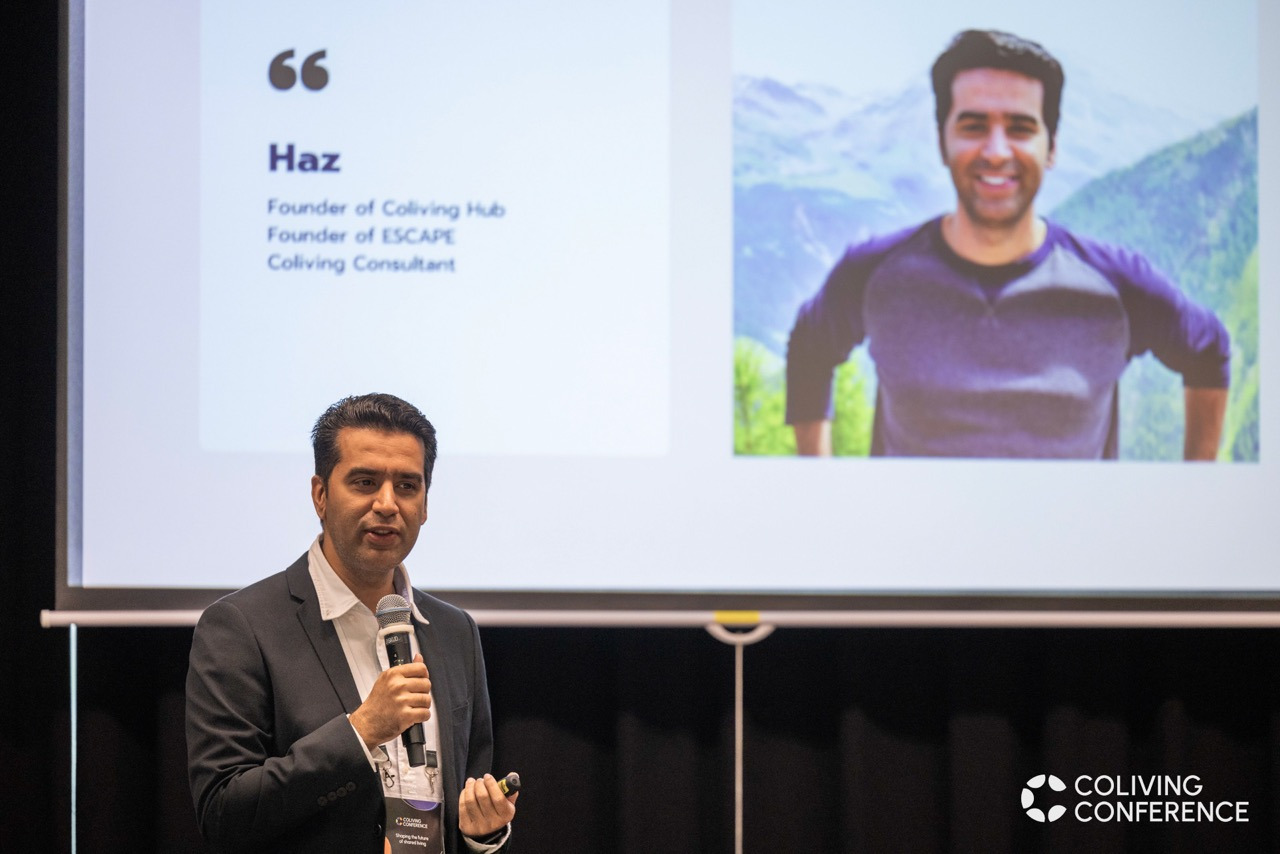
The growth of Destination Coliving has been exponential. From just five operators in Europe when Memon started in 2016, the number has soared to 250 in Europe alone, and approximately 600 worldwide. Europe currently accounts for 40% of these spaces, with Asia close behind at 30%. Memon attributes this growth to a few key factors that continue to drive the sector's expansion.
Firstly, the allure of a lifestyle where one can work from anywhere has almost become a cliche, yet remains a powerful driver, embodying the aspirational image of someone with a laptop in an exotic location. Secondly, affordability and flexibility play a crucial role. Despite pricing sometimes exceeding traditional Airbnb rates, Destination Coliving offers an "all-in-one model" that includes utilities and amenities such as coworking spaces, gyms, and local experiences, making it highly cost-effective compared to separate payments. This model also caters to varied stay lengths, enhancing its appeal.
The third factor is a profound desire for community. Loneliness and social isolation are big problems affecting society, and digital nomads aren’t exempt, especially with added factors such as distance from loved ones, and high-mobility impacting the ability to build a network. Coliving addresses this problem head-on. Next, the rise of shared economy models, made popular by platforms like Airbnb and Uber, has influenced the housing market, leading to a preference for sharing spaces over isolated living.
A significant post-pandemic shift forms the fifth factor. COVID-19 changed business models, normalising remote work, with approximately half the workforce continuing to work out-of-office till this day. Finally, governmental support has emerged as a crucial catalyst, with more countries offering digital nomad visas, including close to 20 countries in Europe alone..
Unique Approaches in Rural Retreats
Katia Dimova, Founder at Chateau Coliving in Normandy, believes the trend towards rural coliving spaces is gaining momentum due to an increasing desire to be close to nature, and as an escape from “dirty, crowded, and expensive” urban areas. While not typically year-round residences, these retreats offer a few months of focused work, community, and exploration in new destinations.
Dimova's Chateau Coliving exemplifies this trend with its unique setting in a 12th-century medieval castle in Normandy, France, which she converted into a coliving space because of her belief that it was “meant to be shared”. This retreat standing on 80 hectares of nature stands apart from typical offerings. Guests are initially drawn to the novelty of living in a castle - a place that "should be a museum". However, what ultimately stays with them is the community experience. And since Normandy is not necessarily on most people’s bucket lists, the coliving space itself has become the destination.
Similarly, Christine Bay's WILDWIFI in Namibia leverages a unique, often overlooked destination. Taking over a hotel and operating as a "pop-up retreat" for four to eight months a year, WILDWIFI created a concept that balances intensive work during the week with adventurous weekend excursions into the Namibian bush. Bay, who founded Namibia’s premier coliving space, is focused on establishing Africa as an accessible and safe destination for digital nomads, particularly addressing concerns about connectivity and security. With her guests consisting of roughly 40% remote workers, and the rest being freelancers, entrepreneurs, or digital nomads, there is a difference in how the destination is experienced. Remote workers view the trip as an "exceptional adventure", while seasoned nomads sometimes "keep on comparing what is not comparable" in terms of cost or experience. Since there is high resident turnover in Destination Coliving models, Bay recommends that guests stay for at least two months to fully experience the country, and additionally enforces communal start and end dates to foster community.
Bridging Hospitality & Community in Urban Hubs
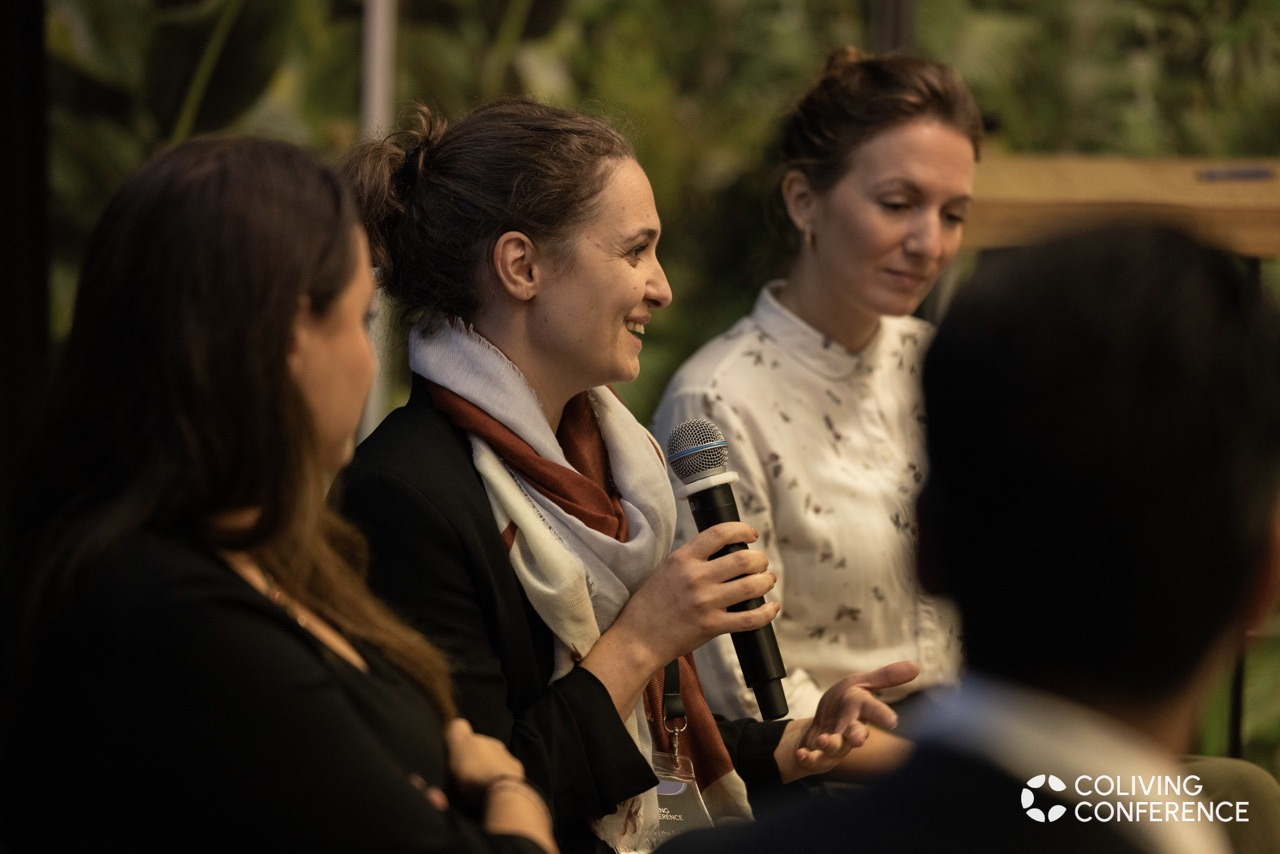
In contrast to rural retreats, urban centres also see evolving coliving models, often rooted in traditional hospitality. Anna Sousa, Head of People, Talent & Sustainability at Feel Group in Porto, shares the evolution of the company. Beginning with short-term rentals , they have since expanded into coworking spaces, private boat trips, and rural villas in the Douro Valley. With 120 apartments across Porto, they do not strictly define themselves as a "traditional coliving", but view these integrated services as a means to foster a "sense of community".
Compared to Dimova and Bay, Sousa's guests are mainly tourists, who typically stay for three to five days, in addition to large corporations who utilise the spaces for meetings or private offices, and freelancers and digital nomads who might stay for months or even a year. What makes Feel Group stand out is their service offerings that mimic the model of community experiences provided by coliving spaces. Sousa explains how this addresses a problem in the market: “The client has to pay for accommodation to one company, and then they have to pay for the restaurant to another company, and the coworking is the same.” Feel Group has been integrating these diverse services, which were initially managed by separate companies While challenging, they have worked to streamline this process, with one company now overseeing accommodation and coworking, and are in the process of implementing a Customer Relationship Management (CRM) system to facilitate cross-selling and provide a seamless client journey coordinated by a single point of contact.
Operational Realities & Key Learnings
While Destination Coliving is experiencing a boom, every new opportunity comes with its own set of challenges. Dimova wishes she had anticipated the rapid growth of the coliving industry, which would have allowed her to be less worried about the success of her business, especially in the aftermath of the pandemic. “In the beginning it was also a little bit of a question of educating the audience why they should go to a coliving, which now it's not the case at all anymore,” she explained. Her broader advice for life and business echoed a sentiment of resilience: "worry less in general in life about things because things might work out or not.”
Another common challenge for solo entrepreneurs is trying to do everything by themselves and "wearing too many hats at the same time" as Bay put it. Initially, she managed everything from community and property management, to safari tours and marketing, making the experience overwhelming. Her key advice for anyone starting out is the importance of having a support system, and building a team: “Bring someone on the boat, a Co-Founder, someone you can talk to, share your thoughts with because I had the challenge of deciding everything myself.”
Organisational structure is another important factor to consider when establishing a coliving business. In the process of establishing Feel Group as an all-in-one service provider, Sousa’s primary challenge revolved around restructuring a traditional short-term rental model to a coliving model that connected residents with local experiences. As their business grew organically by adding new offerings, integrating these under a unified company structure proved difficult.
Going Off the Beaten Path: Future implications for the sector
Destination coliving's migration toward rural locations is a strategic acknowledgment that place can function as a differentiator in a crowded market. Properties once considered commercially unviable for traditional hospitality are finding new purpose as coliving hubs.
The model works because it inverts the traditional tourism equation. Rather than building accommodation around an existing destination, operators are creating destinations through the community and infrastructure they provide. This offers particular value to regions typically overlooked by conventional tourism.
For operators entering the market now, the lessons are practical. Structure should be considered from the inception, whether it’s choosing a team to rely on or designing corporate entities that can scale without fracturing. From an operational standpoint, integration of services must be seamless from the guest perspective. Most importantly, community must be the central pillar - what guests ultimately pay for is the experience of shared living with others who have chosen to go off the beaten path.
The Destination Coliving sector has moved beyond proof of concept. With over 600 operators globally, the question is no longer whether there is a demand, but how operators can refine their offerings. For investors and developers, the rural turn suggests new asset classes worth exploring. And for those interested in stepping into the unfamiliar, the expanding geography of Destination Coliving offers opportunities to follow curiosity rather than crowds, knowing that infrastructure, community, and reliable internet will meet them wherever they choose to land.