


Coliving's Flexibility in Crafting Offerings: From Affordable Comfort to Premium Experiences
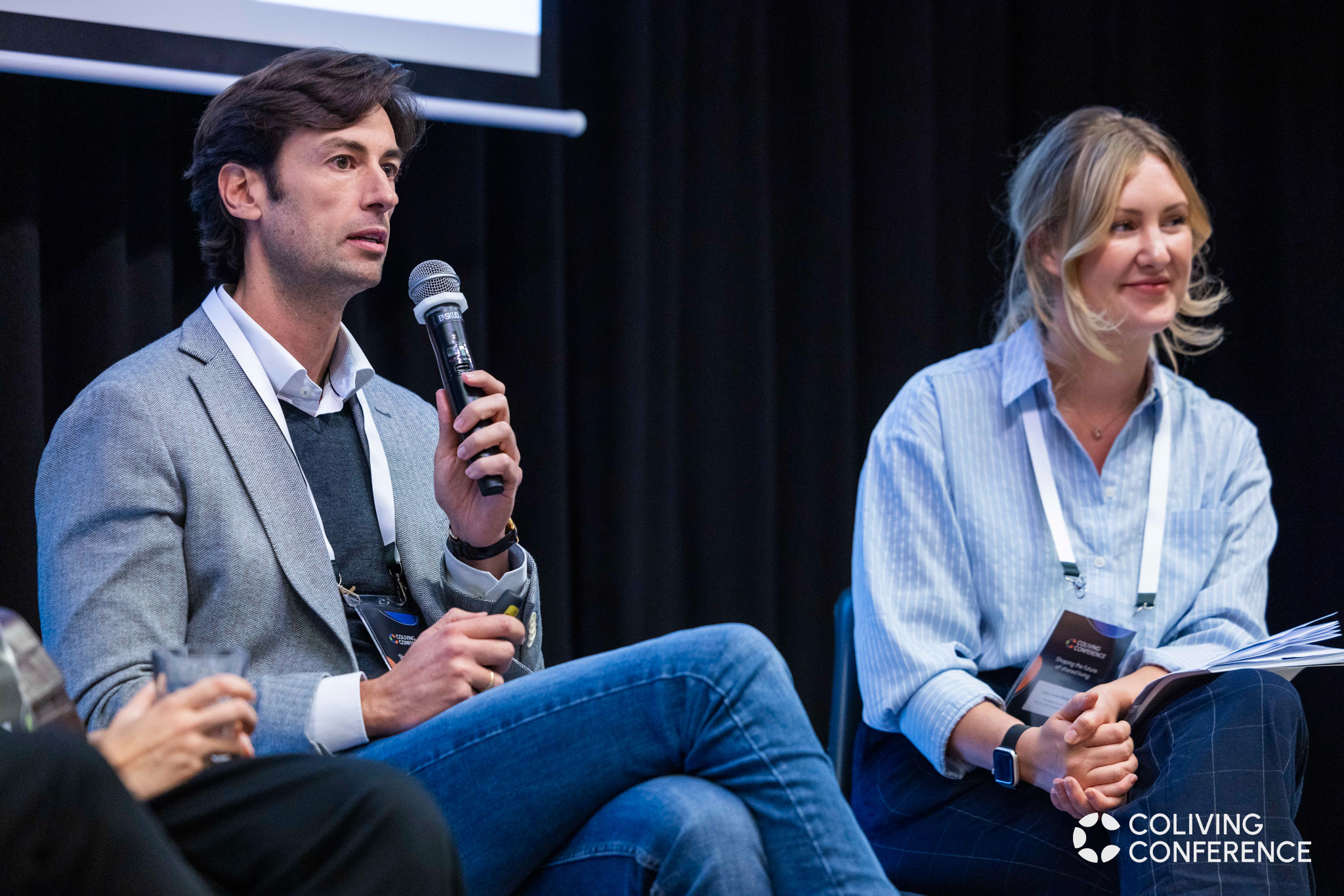
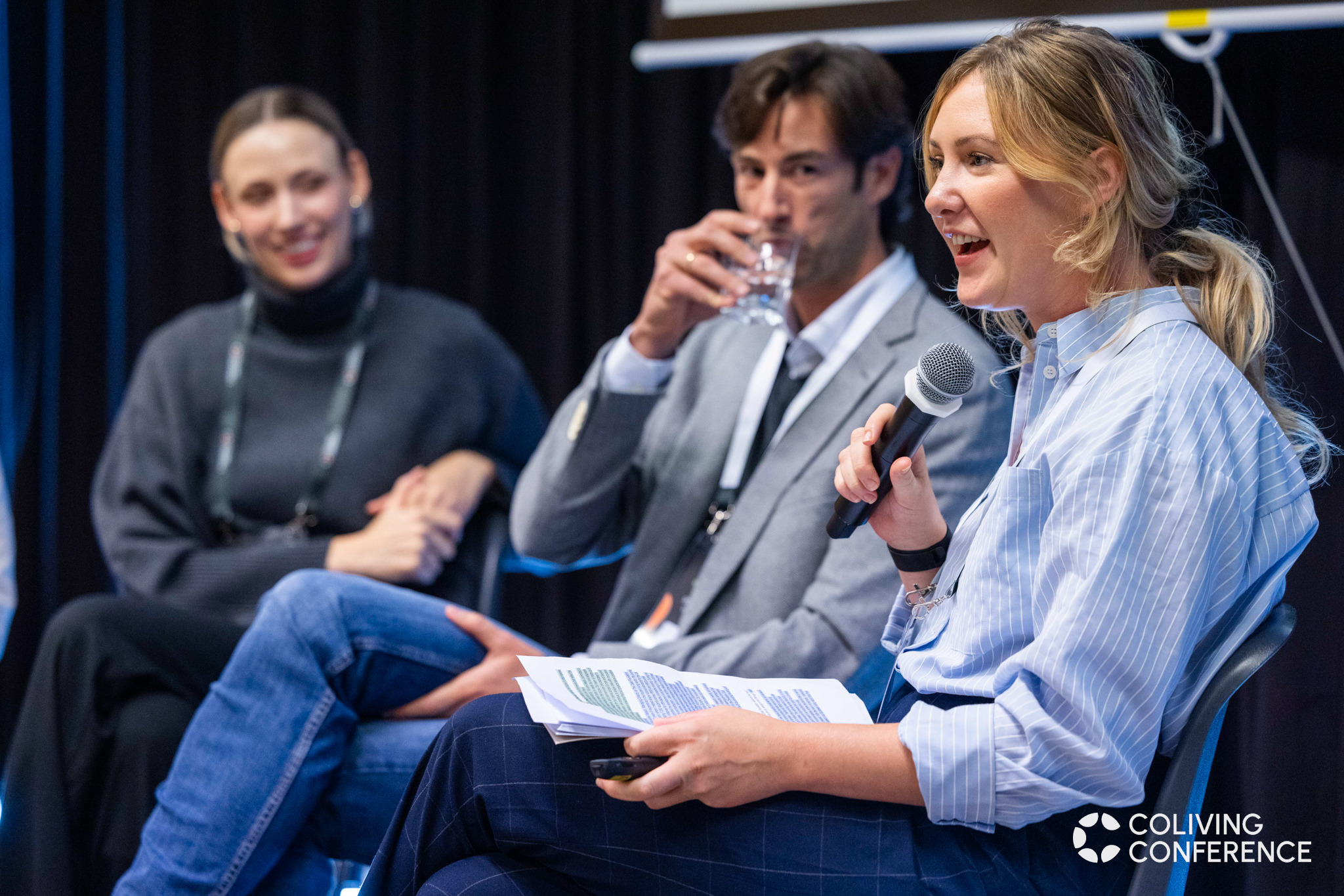
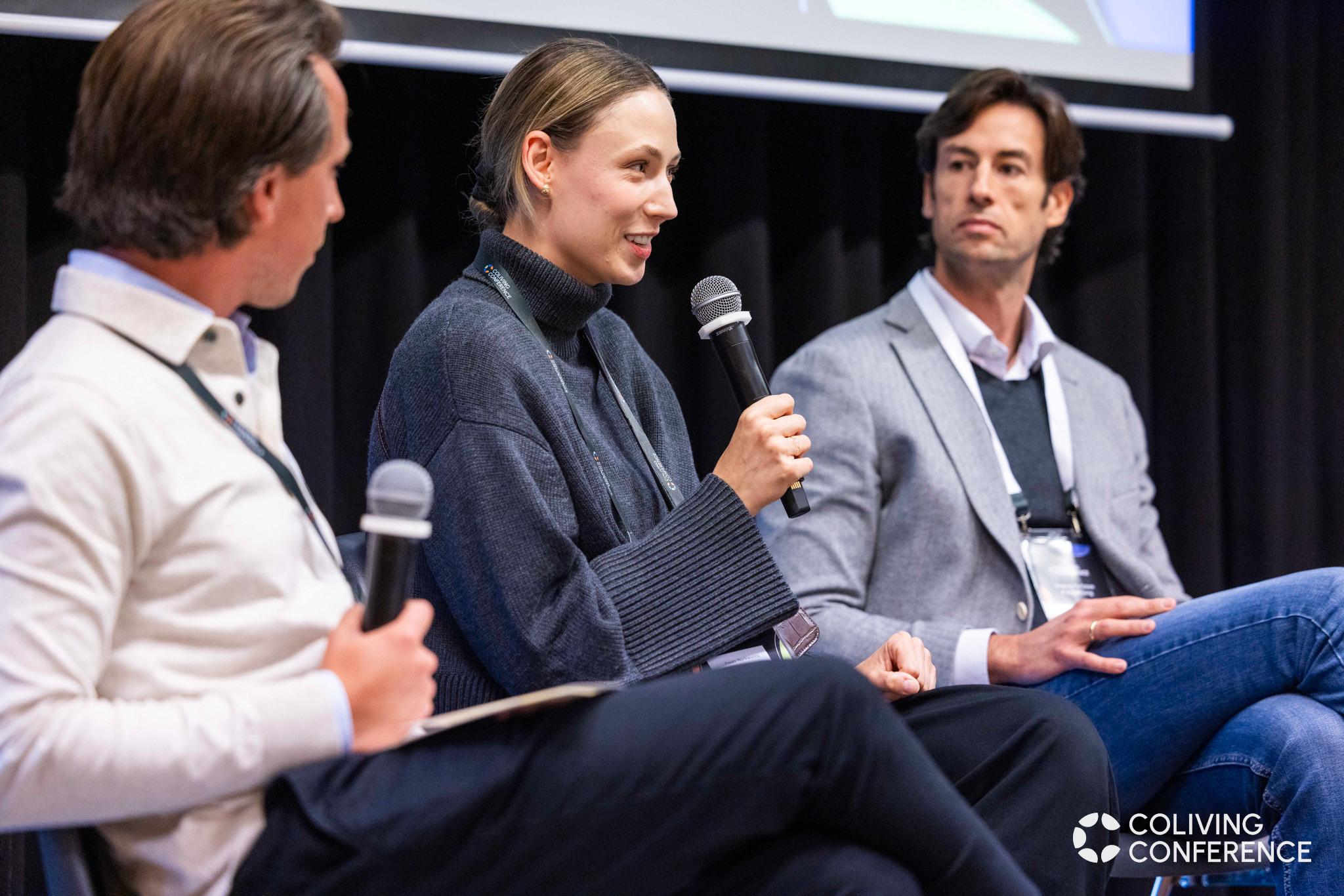
The Coliving Conference 2024 featured a thought-provoking panel discussion about the flexibility of coliving models in catering to diverse offerings, ranging from affordable comfort to premium experiences moderated by Filip Schmidt. Panelists included Paula Narkiewicz, Carlos Muriel, and Kelly-anne Watson. This session examined the various segments within the coliving market, from budget-friendly options to high-end, luxury experiences.
The shared living sector currently stands at a critical juncture, suspended between the urgent necessity of a global housing shortage and the rising expectations of a demographic that is increasingly lonely, digitally native, and socially conscious. The conversation has shifted perceptibly from the early days of simply densifying urban accommodation to a more sophisticated exploration of what it means to build a home that lasts both structurally and emotionally. Insights emerging from the Coliving Conference 2024 in Amsterdam, The Netherlands, suggest that the industry’s future relies on intelligent adaptation, where data, design resilience, and genuine community activation converge to create assets that remain relevant for decades rather than fiscal quarters.
Is the ‘Standard’ Coliving Model Losing its Relevance?
For a long time, the recipe for coliving success seemed straightforward: combine small private units with generous communal spaces and a calendar of events. However, the effectiveness of this default model is being questioned. Paula Narkiewicz, Senior Marketing Manager at MILESTONE Living, argues that what worked five or ten years ago has now become an industry baseline. The generic promise of community is no longer a unique selling point - and often one that fails to deliver on its promise.
Narkiewicz notes that the industry must move beyond assumptions and ground its offering in data. Through recent rebranding efforts and deep-dive consumer research, her team discovered that traditional common areas are not functioning as intended for younger demographics. Generation Z residents often display a paradox of high social desire coupled with social anxiety. They crave connection but find formalised, top-down community management awkward. This insight forces a rethinking of the very architecture of shared living. If a lounge is empty, it is not just a wasted asset; it is a design failure. The solution lies not in removing these spaces, but in radically repurposing them to facilitate low-pressure, organic interactions rather than forced socialisation.
This sentiment is backed by alarming data regarding the mental state of residents. Kelly-anne Watson, Managing Director at The Class Foundation, highlights findings from their Student Living Monitor, a survey of over 11.000 students across Europe. The data reveals that despite the proliferation of communal living options, one in four students reports experiencing extreme loneliness. Perhaps most strikingly, the highest rates of loneliness were often found within Purpose Built Student Accommodation (PBSA) - the very sector designed to foster community. This suggests a critical gap between the provision of social infrastructure and the actual psychological wellbeing of residents, challenging operators to look beyond the physical amenity and address the emotional architecture of their buildings.
Can Flexible Architecture Cure the Loneliness Epidemic?
If the operational software of coliving requires an update, the hardware - the buildings themselves - must also undergo a transformation. The challenge is to design spaces that are not only financially viable for a five-year exit strategy, but resilient enough for 50 years of use. Carlos Muriel, Head of Europe at Buckley Gray Yeoman (BGY), advocates for a return to “intergenerational principles”. He suggests that the modern segregation of demographics is a historical anomaly - the cities of 30 years ago naturally facilitated intergenerational mixing, which is a powerful antidote to isolation.
Muriel argues that modern coliving developments risk becoming enclaves if they are too rigidly designed for a single demographic. The antidote is structural flexibility. By prioritising open structural grids and avoiding fixed shear walls, developers can create buildings where unit typologies can breathe. A building might serve students today, but with minor adjustments to partition walls and corridor widths, it could serve seniors or families a decade from now. This is not merely an architectural preference but an economic imperative. With the carbon cost of new builds becoming increasingly unjustifiable, the ability to adapt existing structures is paramount.
This view on resilience intersects with the urgent need for sustainable retrofit. Muriel and Watson both point to the massive stock of obsolete office space as the next frontier for coliving. In Paris alone, there are hundreds of thousands of square metres of unused office space waiting for conversion. However, the clock is ticking on environmental compliance. Watson notes that in the United Kingdom, a staggering 52% of existing PBSA stock will fail to meet ESG standards by the 2030 cutoff date. These assets face a binary future - undergo comprehensive renovation to become flexible, sustainable homes, or exit the market entirely during a housing crisis.
The Shift from Curation to Peer-Led Activation
As the physical spaces become more adaptable, the operational approach to community building is also shifting from a service model to an “enablement model”. There is a growing realisation that residents, particularly younger ones, are resistant to manufactured fun. Narkiewicz shares a telling example from Milestone’s portfolio in Portugal. When management organised a standard pizza day, the engagement was polite but transactional - residents just ate and then retreated to their rooms. However, when a resident approached the team to facilitate a boat party, the dynamic changed entirely. Because the initiative came from a peer, buy-in was massive, with nearly the entire building participating.
This distinction between provider-led and peer-led activation is crucial. Residents do not want to be managed, they want to be supported in creating their own culture. The role of the community manager is evolving from an event planner to a resource facilitator - someone who removes barriers so residents can lead. Watson’s data supports this, showing that peer-to-peer activation is consistently rated higher by residents than staff-led initiatives. Furthermore, the services residents actually value are often more pragmatic than operators realise. The Class Foundation’s research indicates that alongside mental health support, career and job advice is a top priority for residents. They are looking for a launchpad for their lives, not just a place to sleep.
Data as the Blueprint for Human Experience
Underpinning these shifts is a move towards rigorous data usage. The industry can no longer rely on intuition. The Class Foundation’s use of the MHI-5 (Mental Health Inventory) index allows for a standardised measurement of wellbeing across different housing typologies. With a benchmark score of 60 indicating mental wellness, the average score across European students sits precariously at 57,8. This quantitative evidence provides a powerful tool for convincing investors that social impact is not a nice-to-have but a risk management necessity.
This data-driven approach is also unlocking public-private partnerships. In The Netherlands, accurate forecasting of supply shortages - specifically 60.000-beds - led to the creation of a National Action Plan involving government, universities, and private developers. By quantifying the problem, the sector was able to position itself as a critical part of the infrastructure solution, moving the conversation from planning restrictions to collaborative development.
Crafting Resilient, Human-Centric Shared Living
Prioritising structural flexibility and adaptive reuse is not just an environmental checkbox but a hedge against obsolescence, ensuring buildings can morph as market demands fluctuate. Second, the obsession with physical amenities must be replaced by a focus on genuine activation. Facilitating resident-led governance creates stickier, happier communities than any top-down event schedule ever could. Finally, the integration of robust data regarding mental health and resident satisfaction must sit alongside financial metrics. Understanding the human ROI is the only way to mitigate the vacancy risks associated with a lonely, dissatisfied customer base. By embracing these complexities, the industry can transcend the role of landlord and become a genuine architect of societal well-being.
The trajectory of the shared living sector is moving towards a more mature, responsible, and integrated model. The insights gathered suggest that the successful coliving asset of tomorrow will not be defined solely by its yield in the first five years, but by its capacity to adapt to the unwritten requirements of the next 50. We are moving away from the era of the shiny, rigid asset towards the resilient, breathing ecosystem.